
Original price was: $1.80.$1.33Current price is: $1.33.
- Free Shipping, No Compromise on Quality
- Sustainable materials, for a better tomorrow.
- Free 1 year warranty period
- Shop with confidence, enjoy free returns.

Sessile Oak
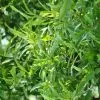
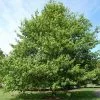
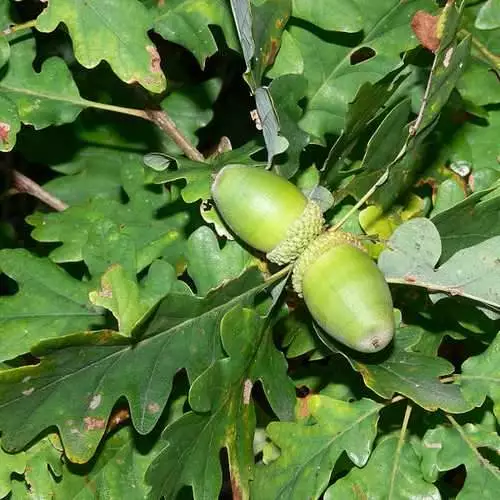
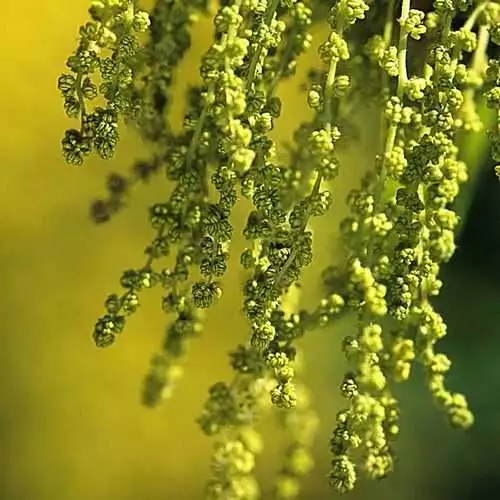
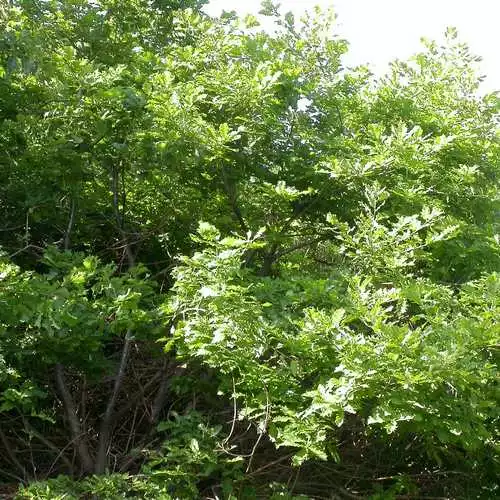
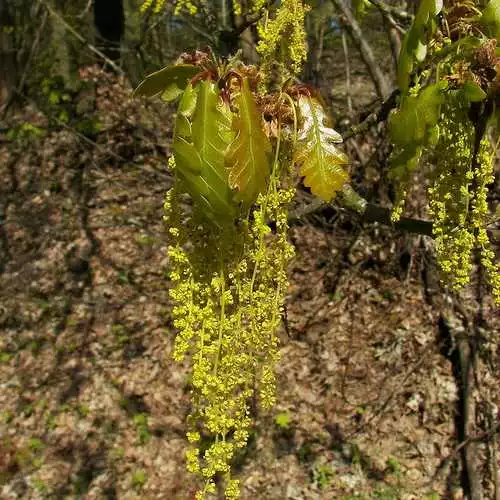
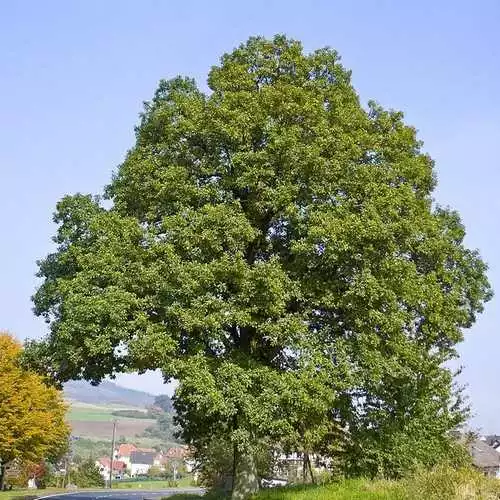
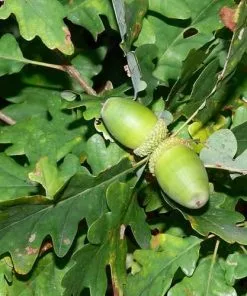
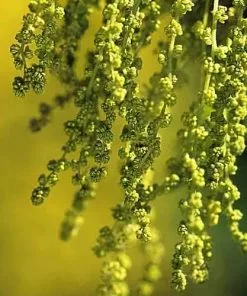
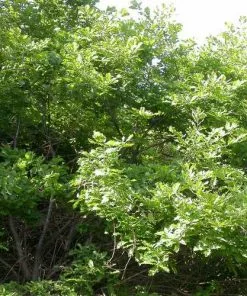
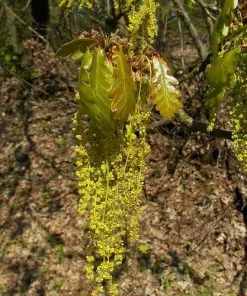
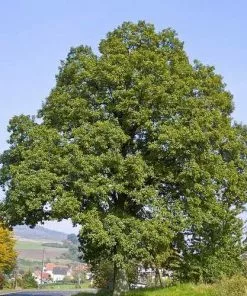
Also known as the Irish or durmast oak, Quercus petraea is a tall, deciduous, very long-lived tree with a broad, rounded crown and an upright habit. The leathery, rather shallowly lobed leaves are deep green, turning brownish-orange in autumn; they have a long leaf-stalk. Inconspicuous greenish male catkins and tiny red female flowers appear with the young leaves, and are followed by acorns, whose scaly cups sit directly on the twigs; acorns are not usually borne until the tree is over 40 years old. Sessile oak is a wonderful tree for wildlife; the leaves are larval food for the purple hairstreak butterfly and many other insects, providing food for birds, and the acorns are winter food for jays, badgers and squirrels – and, long ago, pigs and wild boar. The leaves rot down quickly, supporting insects and many fungi. As long as the soil is well-drained (it won’t tolerate waterlogged soil) sessile oak will tolerate hilly sites and poor, acid soil, but it does need plenty of light.
Site: Tolerates exposure and hilly sites
Soil: Any well-drained soil, preferably moist and fertile
Position: Full sun or partial shade
Season of interest: Spring to autumn
Hardiness: Extremely hardy
Height: 66-130’ (20-40m) Spread: 66’ (20m) or broader in 50 years
| Type | Size | Bareroot, 1-2ft, Bareroot, 2-3ft, Bareroot, 3-4ft |
|---|---|
| Height | Not provided |
| Details | Certified Irish Seed, Certified Irish seed, Not provided |
Be the first to review “Future Forests Quercus Petraea – Sessile Oak”
Related products

All Conifers
Coastal Hedging
Evergreen Shrubs
Reviews
There are no reviews yet.